


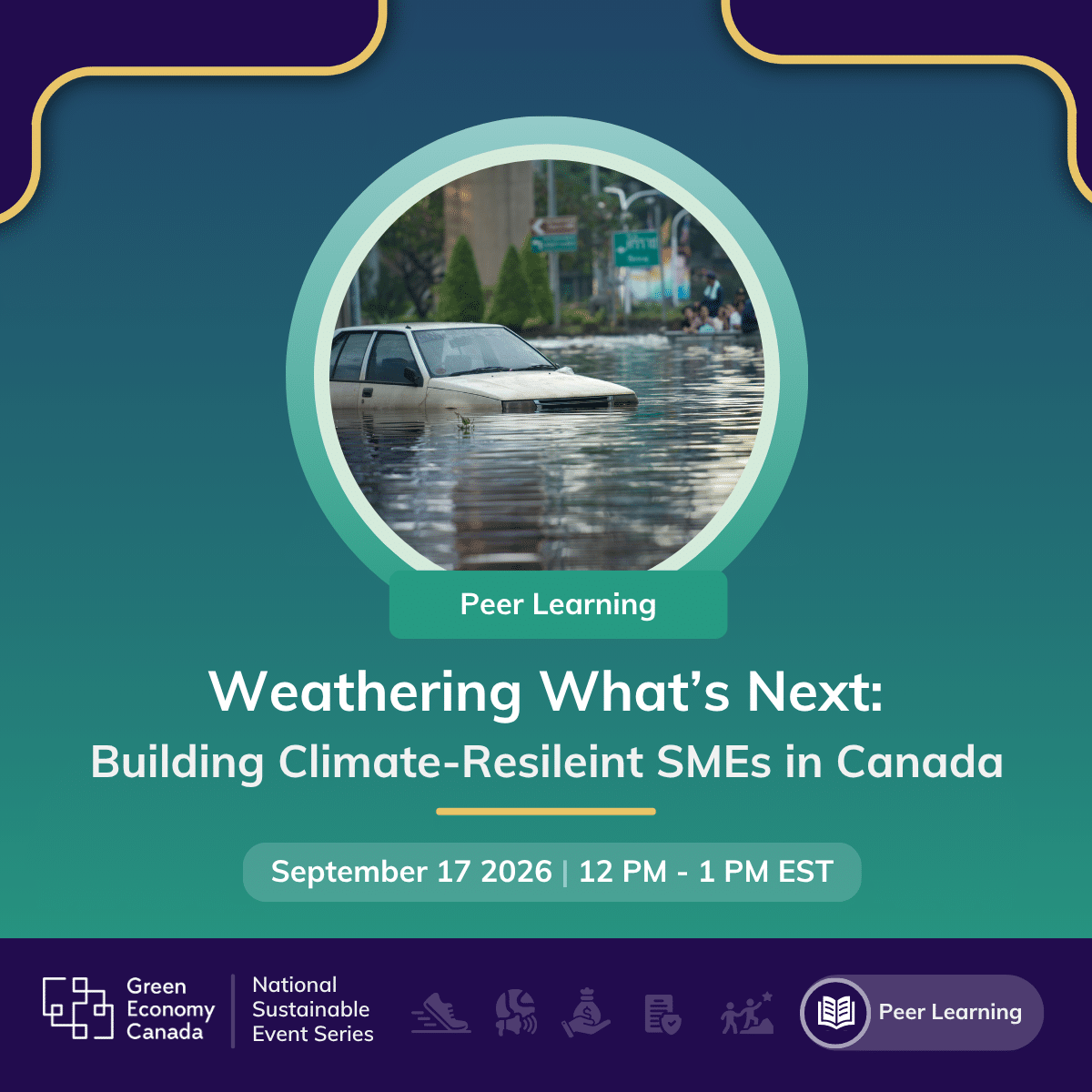

Weathering What’s Next:
Building Climate-Resilient SMEs in Canada
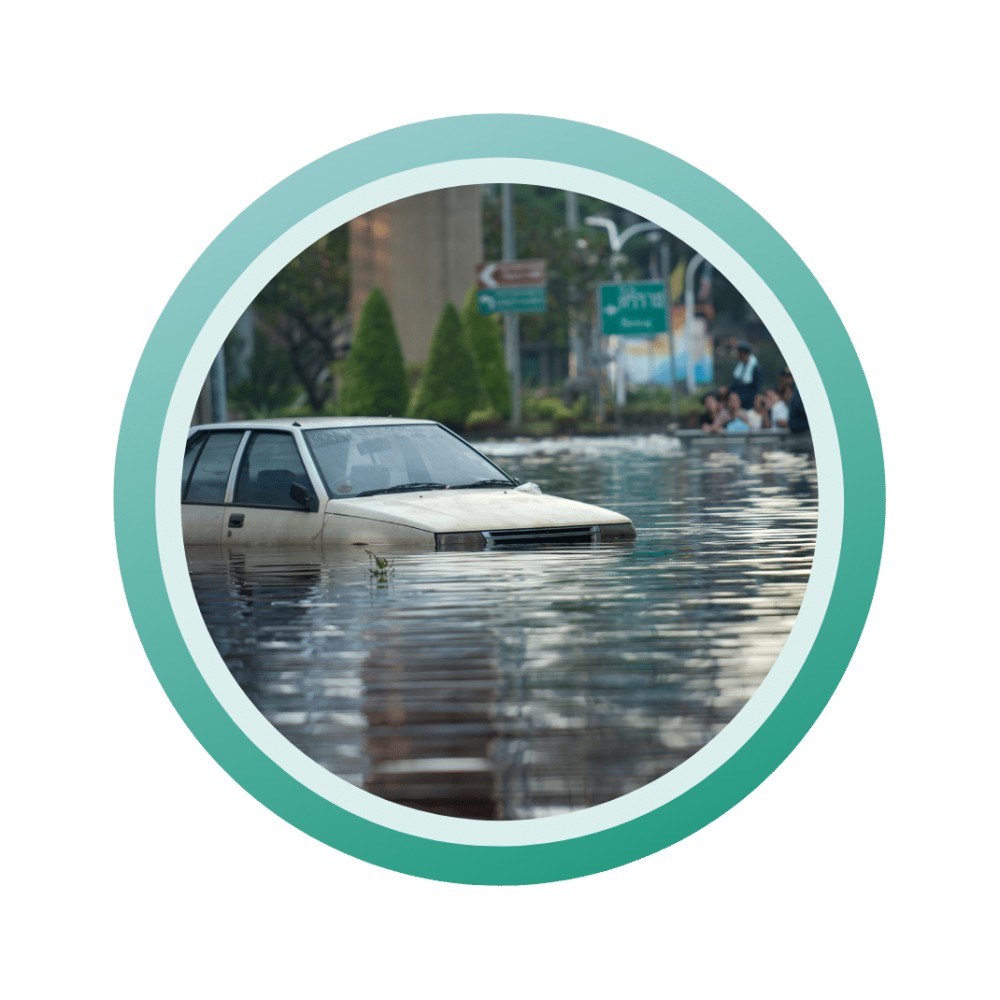

Weathering What’s Next:
Building Climate-Resilient SMEs in Canada
See the Take-Aways and Watch the Recording of our Latest Webinar:
Weathering What’s Next: Building Climate-Resilient SMEs in Canada
Canada’s climate is changing twice as fast as the global average, leading to a future of more frequent and severe weather events—including floods, storms, droughts, wildfires, and extreme heat waves. While reducing greenhouse gas emissions (mitigation) remains critical, businesses must also focus on resilience to adapt, survive, and thrive in this changing environment.
SMEs represent 98% of businesses in Canada and serve as the lifeblood of our local communities and supply chains. However, smaller enterprises often face greater resource constraints, less in-house expertise, and limited operational flexibility to absorb climate shocks.
Despite these risks, concrete, proactive steps can protect a business’s operations, bottom line, and workers. In our recent webinar on September 17th, sustainability experts from the insurance sector and the front lines of small business shared key insights into how Canadian SMEs can prepare for and adapt to physical climate risks.
Featured Speaker Panel

Shawna Peddle
AVP of Sustainability
Co-operators

Chrystal Healy
AVP of Sustainability and Social Impact
BDC

Caleigh Christie
Owner/Operator
Falcon Trails Resort

Facilitated by the Executive Director of Green Economy Canada
Matthew Lynch

Facilitated by the Executive Director of Green Economy Canada
Matthew Lynch
Key Takeaways from the Climate Resilience Webinar
The Growing Reality of Physical Risk for SMEs
- Direct and Indirect Disruption: Climate risk can manifest through direct structural damage, but often hits harder through operational downtime, supply chain delays, utility outages, and health impacts on employees.
- Rising Economic Costs: In 2024 alone, insured severe weather losses exceeded $9.2 billion in Canada. Insured losses represent only about one-third of total societal impacts, meaning the unmitigated financial burden on businesses and communities is significantly larger.
- Surveys Highlight the Readiness Gap: Research from BDC (Fires, Floods, and Heatwaves) shows that 31% of Canadian SMEs have already experienced severe weather impacts, and nearly half expect future impacts. However, only 12% have made climate adaptation a formal business priority.
The Business Case for Investing in Resilience
- High Return on Investment: Studies by the Canadian Climate Institute show that every $1 invested in proactive adaptation measures can yield $10 to $15 in direct and indirect savings over time. Preparedness is far less costly than reactive recovery.
- Resilience: Climate impacts threaten supply chain stability. Sustainable suppliers are generally more stable, innovative, and reliable long-term partners.
- Unlocking Co-Benefits: Resilience investments often enhance everyday operations and customer satisfaction. For example, installing heat pumps to mitigate extreme summer heat waves also improves baseline guest comfort and employee working conditions year-round.
- Addressing Chronic Risks: Instead of making demands, open conversations with your suppliers. Ask: “What are your sustainability challenges, and what would progress look like for you?”
Integrating Climate into Business Continuity Planning
- Keep It Simple: A business continuity plan does not need to be a long, complex document. Climate adaptation should be embedded into existing continuity and risk management practices.
- Four Core Steps to Continuity:

Identify Hazards:
Determine what extreme weather, utility, or transport disruptions could impact operations.
Identify Hazards:
Determine what extreme weather, utility, or transport disruptions could impact operations.

Pinpoint Mission-Critical Assets:
List key personnel, equipment, data, and suppliers essential to keeping operations running.
Pinpoint Mission-Critical Assets:
List key personnel, equipment, data, and suppliers essential to keeping operations running.

Establish Alternatives:
Identify secondary suppliers, backup power systems, or alternative transport routes.
Establish Alternatives:
Identify secondary suppliers, backup power systems, or alternative transport routes.

Communicate Clearly:
Ensure employees, suppliers, insurers, and key stakeholders know who to contact during a crisis and where data and equipment are stored.
Communicate Clearly:
Ensure employees, suppliers, insurers, and key stakeholders know who to contact during a crisis and where data and equipment are stored.
Practical First Steps for SMEs
Watch the Webinar Recording


Shawna Peddle (Co-operators)
Shawna framed insurers as proactive risk management partners rather than just financial safety nets. She urged SMEs to combine physical retrofits—like flood barriers and backwater valves—with operational planning that protects employee health during disruptions like wildfire smoke, noting that site assessments can unlock lower premiums and resilient rebuild support.
Chrystal Healy (BDC)
Emphasized that resilience is an ongoing strategic discipline rather than a one-time initiative. She advised business owners to track key internal signals—such as summer energy bills or supplier disruptions—to catch early indicators of climate vulnerability.
Caleigh Christie (Falcon Trails Resort)
Shared real-world experiences from managing a multi-season resort through wildfires, power outages, and access-road flooding. She highlighted practical interventions, such as installing cabin sprinkler systems to lower insurance costs, utilizing pontoon boats for flood-access alternatives, and maintaining a balance between self-reliance and community collaboration.
Free Climate Resilience Resources & Links
Courtesy of our Panelists and Green Economy Canada
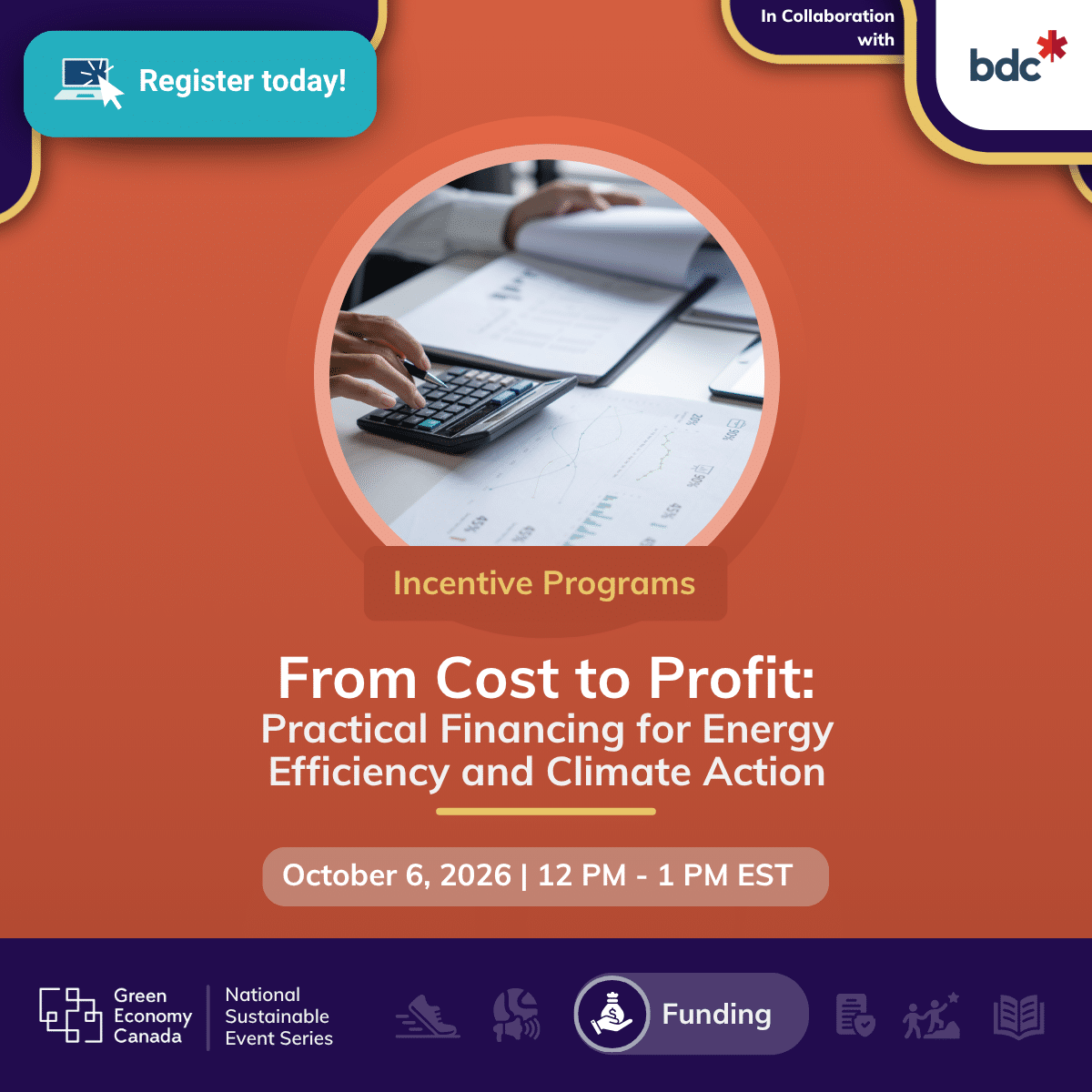
October 6 2026 | 12 PM ET
This practically-focused virtual event is aiming to demystify finance and incentives and provide clear guidance on how SMEs can take action to make their business more profitable, resilient and sustainable. Co-hosted by GEC and BDC, it will cover the following questions:
- What are the main opportunities for businesses to reduce their energy bills and emissions?
- How do you find out more about the incentive and finance options available to your business?
- What do finance providers look for?
- What are the next steps your business can take?
Online